
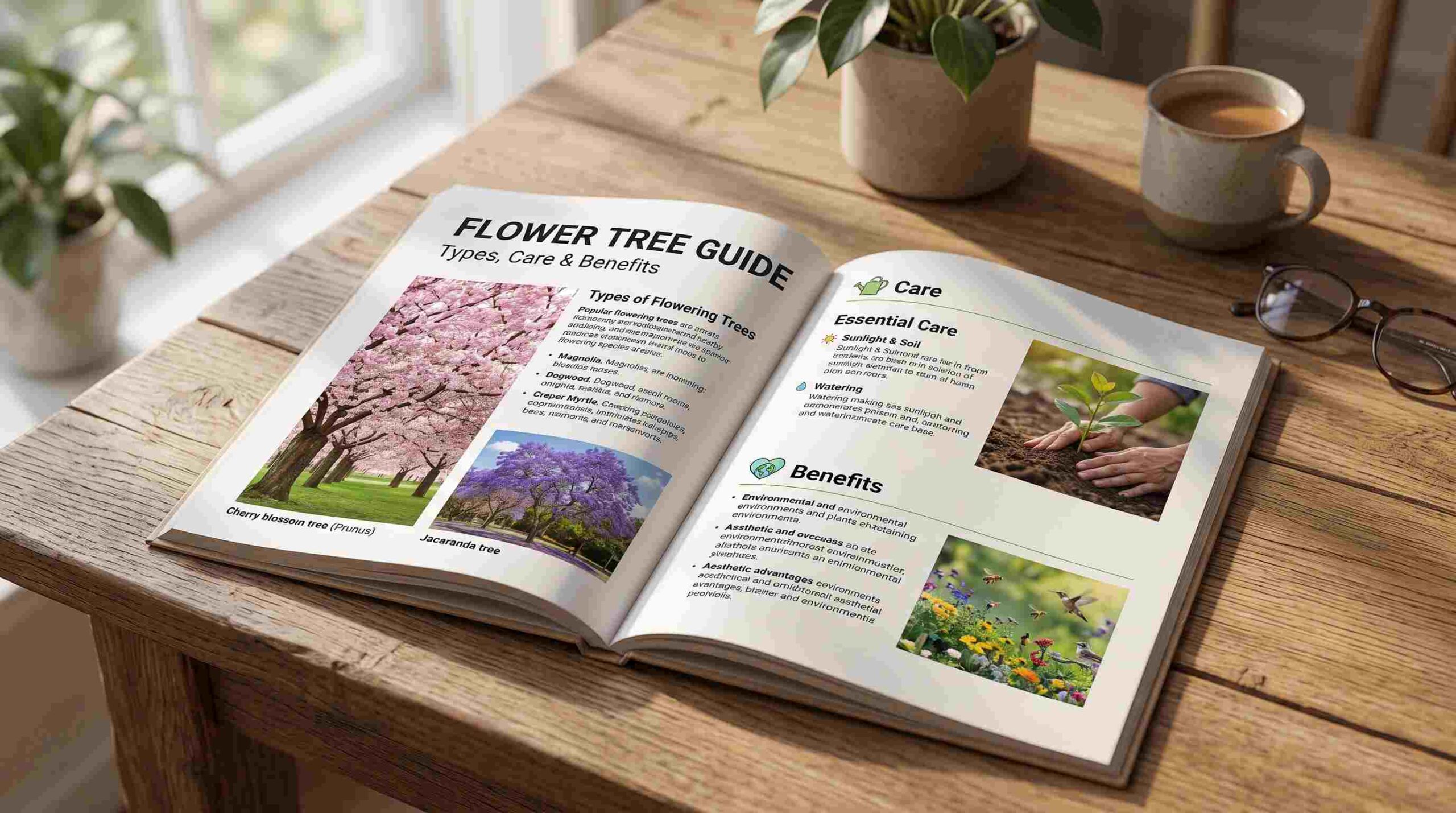
A flower tree is exactly what it sounds like — a tree that produces showy blossoms, usually in spring, though some bloom in summer or even winter depending on the species. Unlike trees grown mainly for shade or timber, a flower tree is chosen for its visual impact: clusters of pink, white, purple, or yellow blooms that transform a plain yard into something that stops people in their tracks. If you’ve ever walked past a cherry blossom tree in full bloom, you already know the feeling a flower tree can create.
Why Every Garden Needs a Flower Tree
Beyond looks, a flower tree does real work in your garden. Its blossoms attract bees, butterflies, and birds, which helps pollinate nearby plants and keeps your local ecosystem healthy. A mature flower tree also provides shade in warmer months, once the blooms give way to leaves. And there’s the simple emotional lift — few things mark the change of seasons like a flower tree bursting into color after a long winter. Many homeowners plant one near a window or patio specifically so they can enjoy the show each year without leaving the house.
Popular Types of Flower Trees
There’s no single “best” flower tree — the right choice depends on your climate, space, and the look you want.
- Cherry blossom (Prunus serrulata): Famous for its delicate pink flowers and short but spectacular bloom window.
- Magnolia: Produces large, fragrant white or pink flowers and works well as a standalone statement flower tree.
- Dogwood (Cornus florida): A smaller flower tree with white or pink bracts, ideal for compact yards.
- Jacaranda: Known for its striking purple blooms, this flower tree thrives in warmer, subtropical climates.
- Crabapple: A hardy, low-maintenance flower tree that produces both spring blossoms and small fall fruit.
Each of these brings something different, so it helps to picture how the tree will look in your space across all four seasons, not just during bloom time.
How to Plant and Care for a Flower Tree
Getting a flower tree established starts with the right spot. Most varieties need full or partial sun — at least four to six hours a day — and soil that drains well, since soggy roots are one of the most common reasons a young flower tree fails to thrive. Dig a hole roughly twice the width of the root ball but no deeper, so the base of the trunk sits level with the surrounding soil.
Water deeply right after planting, then keep the soil consistently moist (not waterlogged) for the first year while the flower tree builds its root system. A two-to-three-inch layer of mulch around the base helps retain moisture and keeps weeds down, but keep it a few inches clear of the trunk itself to avoid rot. According to the Royal Horticultural Society, light pruning after flowering — removing dead or crossing branches — encourages healthier growth the following season.
Best Time of Year to Plant a Flower Tree
Timing matters more than people expect. In most climates, early spring or fall is ideal for planting a flower tree, since the weather is mild enough to reduce transplant stress but still gives the roots time to settle before extreme heat or cold arrives. Planting during the peak of summer heat or deep winter frost puts unnecessary strain on a young flower tree and can set its growth back by a full season. If you’re unsure what works best where you live, the Arbor Day Foundation offers a helpful hardiness zone lookup that takes the guesswork out of timing.
Common Problems with Flower Trees
Even a well-placed flower tree can run into trouble. Yellowing leaves often point to overwatering or poor drainage, while sparse blooms usually mean the tree isn’t getting enough sunlight or was pruned at the wrong time of year. Pests like aphids and scale insects are common on flowering varieties, but they’re usually manageable with regular inspection and, if needed, an organic insecticidal soap rather than harsh chemicals. A flower tree that’s struggling often just needs a smaller fix — adjusted watering, better sun exposure, or a season to recover — before anything more drastic is necessary.
It’s also worth remembering that a flower tree’s first two or three years are about establishing roots, not maximum blooms. Don’t be discouraged if the display is modest early on; it tends to get fuller and more dramatic with each passing year.
Final Thoughts on Choosing a Flower Tree
Picking the right flower tree comes down to matching the variety to your climate, available space, and how much maintenance you’re realistically willing to do. Whether you go with a classic cherry blossom, a fragrant magnolia, or a compact dogwood, a flower tree rewards patience with a burst of color that marks the start of a new season year after year. Plant it well, give it a little attention in its early years, and it will become one of the most rewarding additions to your outdoor space.


