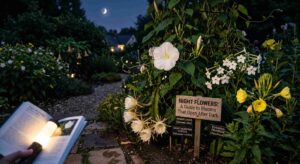
There’s something quietly magical about stepping into a garden after dark and finding it still very much alive. While most flowers close up shop at sunset, a flower that blooms at night does the opposite — it waits patiently all day, then opens its petals just as the world grows quiet. If you’ve ever caught the scent of jasmine drifting through an open window at midnight, you already know the pull of these plants. This guide walks through what makes a flower that blooms at night so special, which ones to grow, and how to build a little nighttime garden of your own.
What Makes a Flower That Blooms at Night So Special
A flower that blooms at night isn’t just a curiosity — it’s a plant that has evolved a very specific survival strategy. Instead of competing with daytime pollinators like bees and butterflies, a nocturnal flower times its bloom for moths, bats, and other creatures that come alive after dark. Many of these flowers are pale white or soft yellow, colors that reflect what little moonlight is available, making them easier for night-flying pollinators to spot. According to the Missouri Botanical Garden, this color pattern is one of the clearest signs a plant has adapted specifically for nighttime pollination.
Why Some Flowers Choose to Bloom at Night
It’s worth asking why a flower that blooms at night would skip the sunshine altogether. Part of the answer is competition — daytime hours are crowded with pollinators chasing the same resources, so blooming after dusk gives a plant exclusive access to moths and other nocturnal visitors. Heat is another factor. In hot climates, opening petals during the cooler evening hours helps a delicate flower that blooms at night conserve moisture instead of wilting under the midday sun. Fragrance plays a role too; many night bloomers release their strongest scent after sunset, since perfume travels further in cool, still air than in daytime heat.
Popular Varieties of a Flower That Blooms at Night
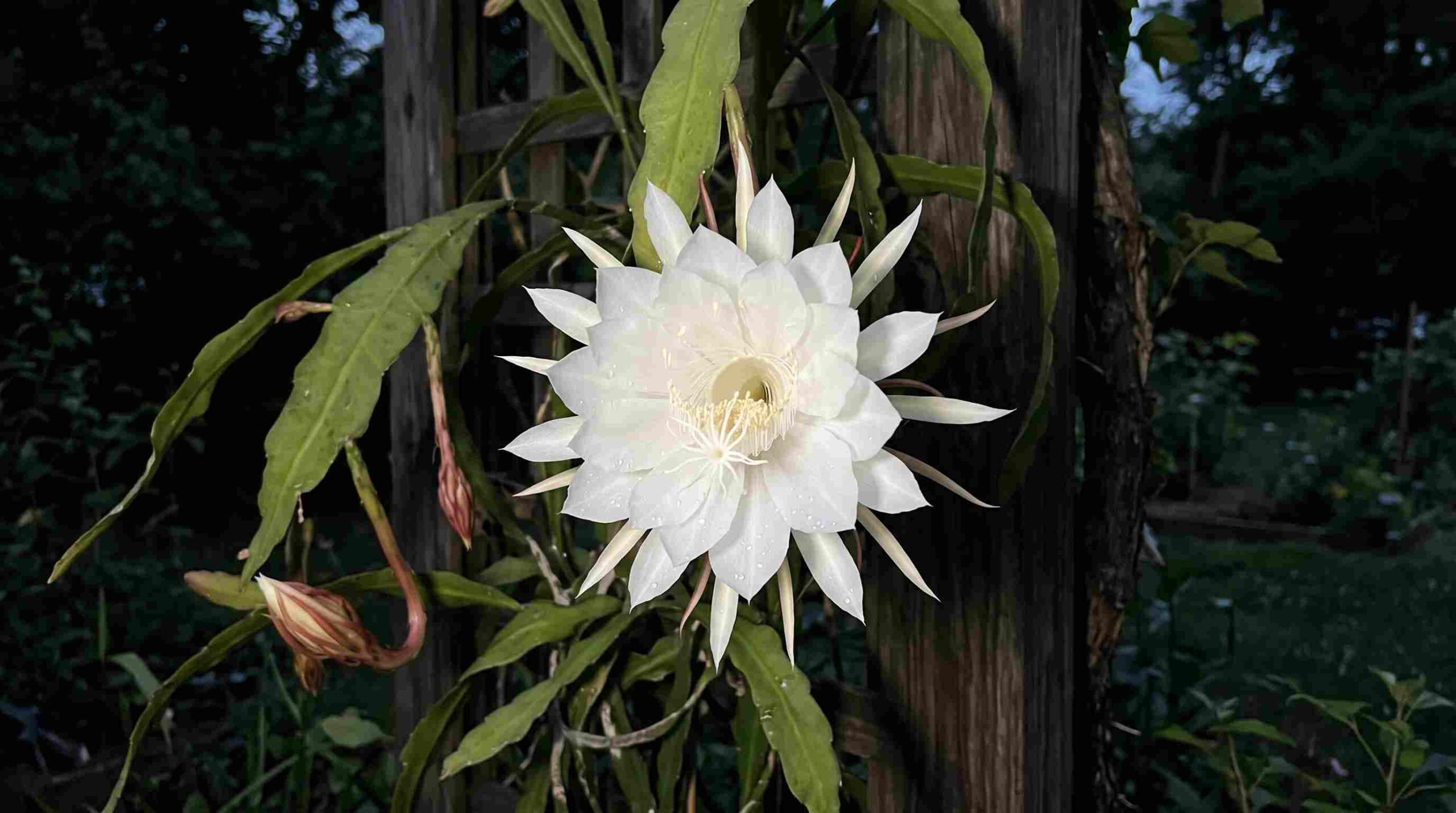
There are more nighttime bloomers out there than most gardeners realize. The moonflower (Ipomoea alba) is probably the most famous flower that blooms at night, unfurling its large white trumpet-shaped petals right as the sun sets and closing again by morning. Night-blooming jasmine (Cestrum nocturnum) is another favorite, prized less for its looks and more for its intensely sweet fragrance that can fill an entire yard. Evening primrose opens its soft yellow blooms at dusk and is a magnet for moths. Then there’s the dramatic queen of the night cactus (Epiphyllum oxypetalum), a flower that blooms at night for just a single evening a year, making it something of a garden event. You can read more about these species on the Royal Horticultural Society’s plant database, which catalogs growing conditions for each one in detail.
How to Grow Your Own Flower That Blooms at Night
Growing a flower that blooms at night isn’t much different from growing any other flowering plant — the main difference is thinking about when you’ll actually enjoy it. Most nocturnal bloomers prefer a spot with full sun to partial shade during the day, well-draining soil, and consistent watering, since many of them are native to warm, humid climates. Position your flower that blooms at night somewhere you’ll naturally pass by in the evening — near a porch, a bedroom window, or a path you walk after dinner — so you don’t miss the show. Vining types like moonflower benefit from a trellis or fence to climb, while shrubby varieties like night jasmine do well in large containers if you’re short on garden space. If you’re starting from seed, the Old Farmer’s Almanac planting guide is a useful resource for timing your planting around your local frost dates.
Designing a Garden Around Nighttime Blooms
Once you’ve chosen a flower that blooms at night, think about building the rest of the space around it. Pale-colored foliage, light-colored gravel paths, and white or silver-leafed companion plants all help reflect moonlight and make your evening garden easier to navigate and enjoy. Adding a bench or seating area nearby turns the space into a destination rather than something you only glimpse in passing. Soft, warm outdoor lighting — think string lights or lanterns rather than bright floodlights — keeps the mood intact without overpowering the natural glow of the blooms. Many gardeners also group several types of a flower that blooms at night together, staggering their bloom times so there’s always something new to notice as the evening goes on.
A Few Tips for First-Time Night Gardeners
Patience is probably the biggest requirement when growing a flower that blooms at night. Some, like moonflower, bloom nightly once established, while others, like the queen of the night cactus, bloom so rarely that neighbors sometimes gather to watch. It helps to keep a simple log of when your plants open so you learn their rhythm over a season. Pay attention to fragrance strength too — a flower that blooms at night with a strong scent, like jasmine, can be overwhelming near a bedroom window if planted too close, so give it a little distance. Finally, don’t be afraid to mix nocturnal and daytime bloomers in the same bed; a well-planned garden can look beautiful morning, noon, and night.
Final Thoughts
A flower that blooms at night offers something most gardens miss entirely: a reason to step outside after the sun goes down. Whether it’s the fragrance of jasmine drifting on the evening air or the rare, dramatic unfurling of a cactus bloom, these plants reward patience and a little bit of planning. Start with one or two varieties, find the right spot, and you’ll likely find yourself looking forward to dusk in a whole new way.