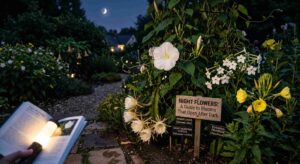

If you’ve got a bare, boring fence staring back at you every time you step into the garden, fence climbing plants are one of the easiest ways to fix that. Instead of a flat wall of wood or metal, you get a living wall of leaves, flowers, and texture that changes with the seasons. Whether you want privacy, color, or just something to soften the hard lines of your yard, the right climbers can completely change how your outdoor space feels. If you’re also working on the rest of your yard, check out our [guide to small garden layout ideas] for more inspiration.
Why Choose Fence Climbing Plants for Your Garden
They solve a lot of problems at once. Fence climbing plants hide ugly fencing, add privacy from neighbors, support pollinators like bees and butterflies, and make a small garden feel bigger by drawing the eye upward instead of just across. Because they grow vertically, they also take up very little ground space, which makes them perfect for narrow borders, courtyard gardens, or anywhere you’re short on room to plant. If you’ve been putting off dealing with that dull fence line, this is usually the most satisfying fix for the least effort.
Fast-Growing Climbers Worth Planting
If you want results quickly, look for vigorous varieties that can cover a fence in a single season. Clematis armandii, honeysuckle, and Virginia creeper are all known for their speed. According to the Royal Horticultural Society, many vigorous climbers can gain several feet of growth in just a few months once established, which makes them ideal if you’re trying to screen off an unattractive fence fast. Just keep in mind that fast growers often need more regular pruning to stay neat, so check a plant’s mature size before you commit to it.
Flowering Varieties for Color
Not every climber is just about coverage — a lot of gardeners choose fence climbing plants specifically for the flowers. Roses, clematis, jasmine, and wisteria are classic choices that turn a plain fence into a real centerpiece. Climbing roses in particular can bloom for months at a time and come in nearly every color you could want. The Missouri Botanical Garden notes that many flowering vines also attract hummingbirds and butterflies, so choosing flowering climbers can turn your fence line into a small wildlife habitat as well as a decorative feature. For pairing ideas, see our [flower bed design tips] post.
Evergreen Options for Year-Round Cover
If you want privacy and greenery all year, not just in spring and summer, evergreen climbers are worth considering. Ivy, star jasmine, and evergreen clematis hold onto their leaves through winter, which means your fence stays covered even when deciduous plants have dropped theirs. This is especially useful if your fence backs onto a busy street or a neighbor’s yard and you want consistent screening. These tend to grow a little slower than their deciduous cousins, so patience pays off, but the year-round payoff is usually worth the wait.
Giving Them Something to Climb
Not all climbers grow the same way, and knowing how a plant climbs will save you a lot of frustration. Twining plants like honeysuckle wrap themselves around wires or trellis, clinging plants like ivy attach directly to surfaces with small roots or pads, and others, like climbing roses, don’t really climb at all — they need to be tied in as they grow. Adding horizontal wires, a simple trellis, or mesh netting to your fence gives twining and tendril-type plants something to grip, which usually results in fuller, more even coverage. It’s much easier to install this kind of support before you plant than to retrofit it later. Our [trellis and garden structure guide] covers a few budget-friendly options.
Basic Care Tips
Most fence climbing plants aren’t especially high-maintenance once established, but a little care early on makes a big difference. Water new plants regularly for the first year while their roots are developing, and add a layer of mulch around the base to help retain moisture. Pruning is where a lot of people get nervous, but it’s usually simple: cut back dead or overcrowded growth in late winter or early spring, and trim lightly through the growing season to keep things tidy. Feeding with a balanced fertilizer once or twice a year can also encourage stronger flowering, especially for roses and clematis.
Picking the Right Plant for Your Space
Before you buy anything, think about light, soil, and how much space you actually have. Most varieties do best in full sun to partial shade, though some, like ivy, tolerate shadier spots well. Check the mature height and spread listed on the plant tag, since a climber that gets too large for your fence can become a maintenance headache down the line. It also helps to mix a couple of varieties — pairing a fast grower with a slower, more structural plant often gives you quick coverage now and a more interesting fence later on.
Final Thoughts
A bare fence doesn’t have to stay bare. With the right fence climbing plants, a little support structure, and some basic care, you can turn a plain boundary into one of the prettiest parts of your garden. Start with one or two varieties suited to your light and space, give them something to climb, and let them do the rest.