
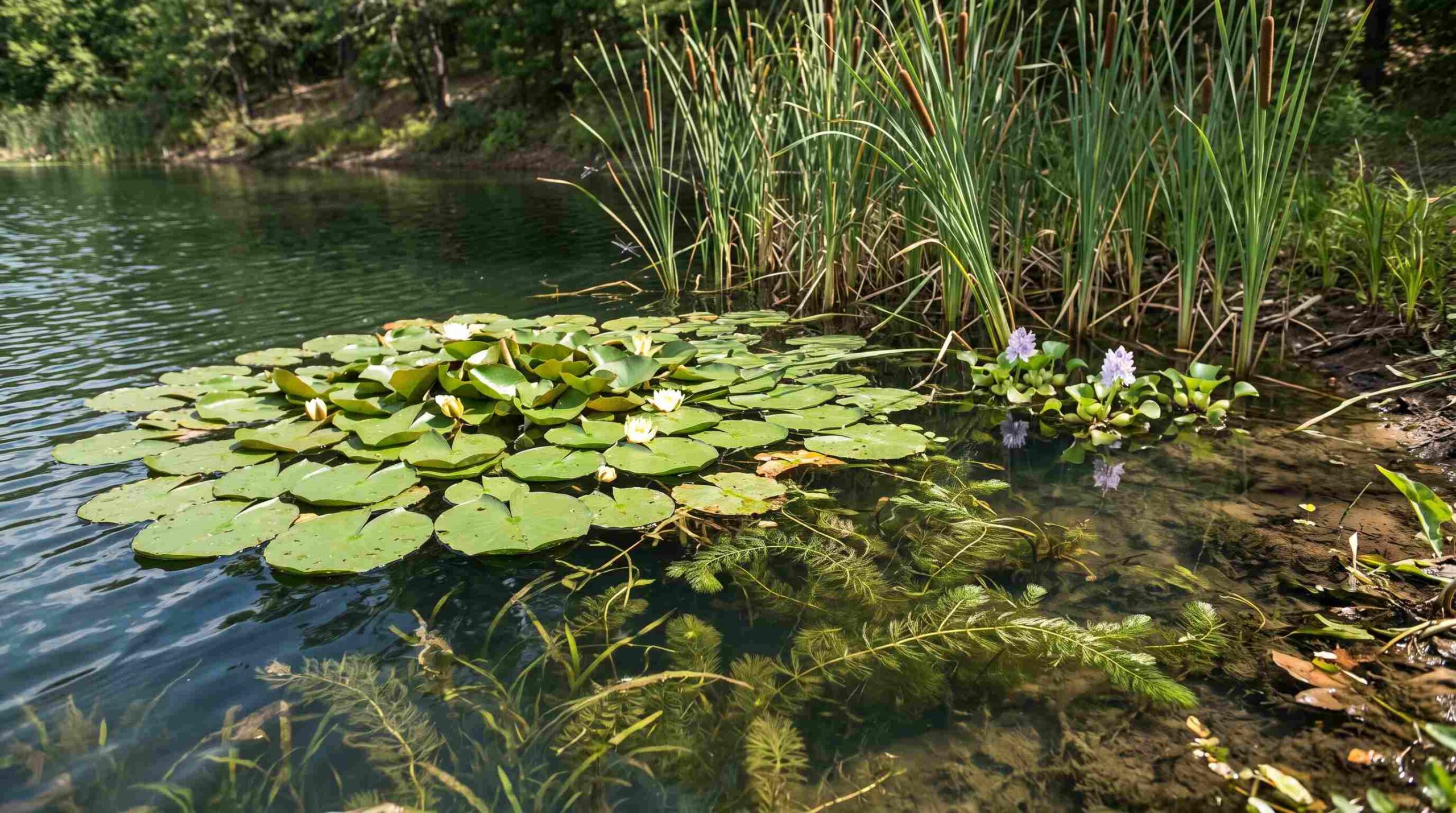
If you’ve ever killed a houseplant by overwatering it, underwatering it, or just forgetting it existed for three weeks, plants that grow in water might be exactly what you need. There’s no soil to monitor, no guessing about moisture levels, and no mess when you want to move things around. You simply drop a cutting or a bulb into a jar of water, set it somewhere with decent light, and watch it grow. For anyone short on time, short on space, or just a little intimidated by traditional gardening, plants that grow in water offer a forgiving and surprisingly satisfying way to bring greenery indoors.
Best Plants That Grow in Water for Beginners
Not every plant adapts well to a water-only life, but plenty do, and some even thrive better this way than they would in soil. Pothos is usually the first recommendation anyone gives, since a single cutting can root in a glass of water within a couple of weeks and keep growing for months. Lucky bamboo is another classic choice, often sold already rooted and ready to display. Philodendron, Chinese evergreen, and spider plant cuttings also take to water easily, making them reliable plants that grow in water for someone just starting out. If you want something a bit more structured, you can find detailed growing notes from sources like The Spruce’s guide to water-grown houseplants, which lists specific varieties along with their light and care needs.
How to Care for Plants That Grow in Water
Caring for plants that grow in water is less about effort and more about consistency. Start with a clean glass or vase, fill it with room-temperature water, and change that water every one to two weeks so it doesn’t go stale or start smelling. Tap water works for most common varieties, though letting it sit out overnight first helps any chlorine evaporate. Light matters too; most water-grown plants prefer bright, indirect light rather than direct sun, which can overheat the water and stress the roots. A quick nutrient boost from a diluted liquid fertilizer every few weeks will help your plants that grow in water stay healthy long-term, since plain water alone doesn’t contain the minerals soil normally provides. If you want to go deeper into nutrient needs, the University of Georgia Extension has a useful overview on growing plants hydroponically at home, which explains the basics in plain language.
Common Mistakes with Plants That Grow in Water (and How to Avoid Them)
The biggest mistake people make with plants that grow in water is leaving the water untouched for too long. Stagnant water invites algae, bacteria, and root rot, which can undo weeks of healthy growth almost overnight. Another common issue is placing the container in direct sunlight; while light is important, too much heat through glass can cook the roots or encourage algae growth faster than you’d expect. People also tend to forget that roots still need air, so filling a container completely to the brim can suffocate them. A good rule of thumb is to leave roots about two-thirds submerged, with some exposed to air. Finally, not every plant is suited to permanent water life. Some, like pothos or lucky bamboo, do wonderfully as plants that grow in water indefinitely, while others are better rooted in water temporarily and then transferred to soil once roots are established.
Final Thoughts on Growing Plants in Water
Plants that grow in water are an easy entry point into gardening, whether you’re decorating a windowsill, brightening up a desk, or just trying to keep something alive without too much fuss. They’re forgiving, low-cost, and genuinely enjoyable to watch grow, especially when you can see the roots developing right through the glass. Once you get comfortable with a few easy varieties, you may find yourself experimenting with cuttings from plants you already own, turning one healthy plant into several new ones for free. Start small, keep the water fresh, give your plants some good light, and you’ll likely find that plants that grow in water become one of the lowest-maintenance, most rewarding additions to your home.


