If you’ve ever wondered how to clean wood furniture properly, you’re not alone. Wood pieces — whether it’s a dining table, an antique dresser, or a simple bookshelf — pick up dust, grease, and grime faster than most people realize. The good news is that cleaning wood the right way isn’t complicated once you understand what your furniture actually needs.
Why Knowing How to Clean Wood Furniture Properly Matters
Wood isn’t like glass or plastic. It’s a living material that reacts to moisture, heat, and harsh chemicals. Using the wrong cleaner or technique can dull the finish, create water rings, or even strip away the protective coating entirely. Learning how to clean wood furniture properly protects your investment and keeps pieces looking good for decades, sometimes even getting passed down as heirlooms.
Gather the Right Supplies First
Before you start, skip the random spray bottle under your sink. Here’s what actually works:
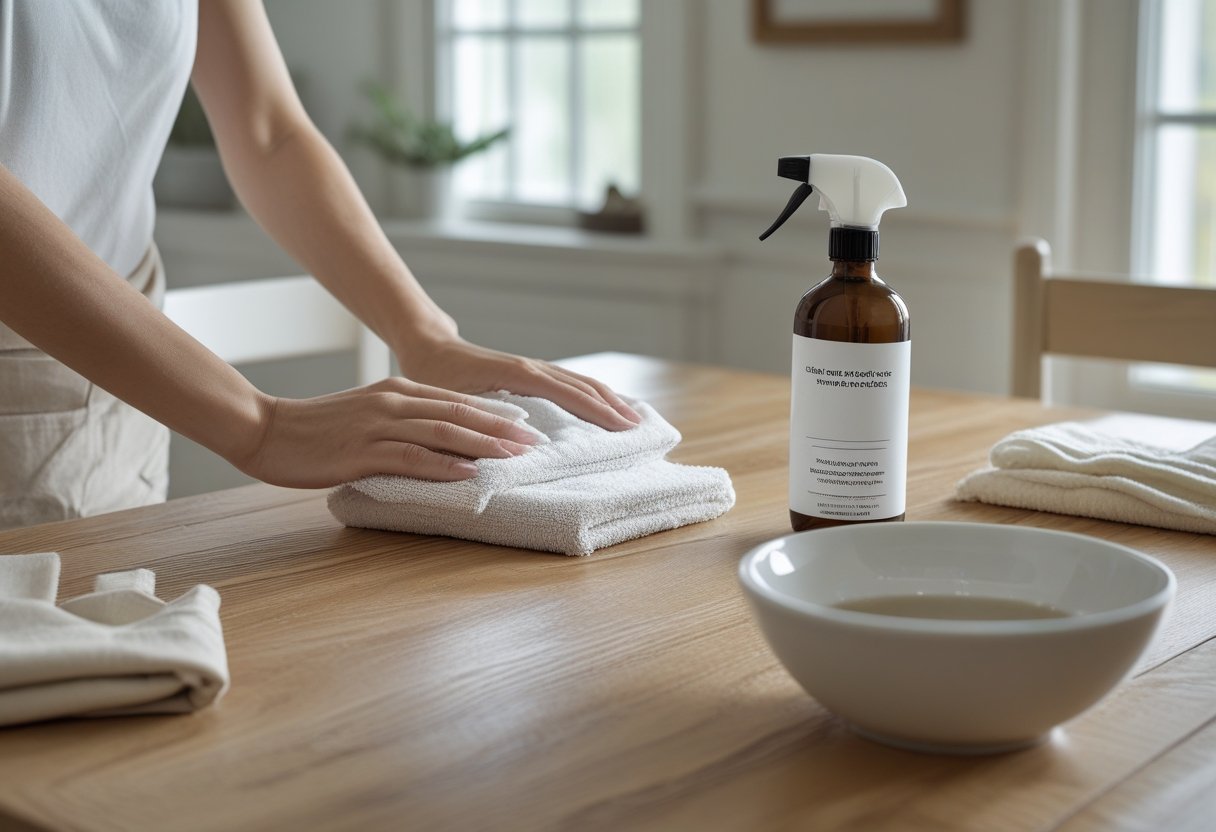
- Two microfiber cloths (one for cleaning, one for drying)
- A soft-bristled brush for carved details
- Mild dish soap diluted in warm water
- A wood-specific cleaner or conditioner
- Distilled water (tap water can leave mineral spots)
Having these on hand makes the whole process smoother and reduces the temptation to grab something too harsh.
Step-by-Step: How to Clean Wood Furniture Properly
Start by dusting the surface completely. This sounds obvious, but skipping it is the number one reason people scratch their furniture — dust particles act like sandpaper when you wipe over them with a damp cloth.
Next, dampen (not soak) your microfiber cloth with the diluted soap mixture. Wipe in the direction of the wood grain, never in circles. Circular motions can create swirl marks that are especially visible on darker finishes. Follow immediately with a dry cloth to remove any leftover moisture, since standing water is wood’s biggest enemy.
This is really the core of how to clean wood furniture properly: gentle products, grain-direction wiping, and immediate drying.
Handling Everyday Dust, Grease, and Grime
Kitchen tables and desks tend to collect oily residue from hands and food. For these spots, a slightly stronger solution — a few drops of dish soap in warm water — cuts through grease without damaging the finish. Avoid all-purpose household cleaners, as many contain ammonia or alcohol that can eat through varnish over time.
For everyday maintenance, a dry microfiber cloth used a few times a week prevents buildup before it even becomes a deep-cleaning job.
Protecting the Finish While You Clean
One mistake many people make is assuming more product means a better clean. In reality, excess moisture or cleaner residue left on the surface can cloud the finish. For resources that go deeper into finish types and how they respond to different cleaning agents, Wikipedia’s overview of wood finishing is a solid, well-sourced starting point if you want to identify what kind of finish your piece has before choosing a cleaner.
Once you know your finish type — whether it’s lacquer, oil, shellac, or polyurethane — you can tailor your approach, which is really the secret behind how to clean wood furniture properly long term.
Removing Stains, Water Rings, and Stubborn Marks
White rings from cups or condensation are one of the most common wood furniture problems. A gentle fix is a small amount of non-gel toothpaste rubbed softly along the grain with a soft cloth, then wiped clean and dried. For deeper stains, mixing equal parts olive oil and white vinegar, applied with a soft cloth, can help lift discoloration without harsh chemicals.
Always test any homemade solution on a hidden spot first — the underside of a shelf or the back of a leg — before applying it to a visible surface.
How Often Should You Clean and Condition Wood Furniture?
Dusting should happen weekly, deeper cleaning monthly, and conditioning (with a wood-specific product) every three to six months depending on humidity levels in your home. Furniture in dry climates or near heating vents tends to need conditioning more often, since dry air pulls moisture out of the wood itself.
Consistency matters more than intensity. A piece cleaned lightly but regularly will outlast one that’s deep-cleaned once a year and ignored otherwise.
Common Mistakes to Avoid
Many people unknowingly damage their furniture while trying to care for it. A few things to steer clear of:
- Using furniture polish with silicone, which builds up over time and attracts more dust
- Placing hot dishes or wet glasses directly on the surface without a coaster
- Scrubbing stains aggressively instead of treating them gradually
- Using paper towels, which can scratch delicate finishes
Avoiding these habits is just as important as the cleaning steps themselves when it comes to how to clean wood furniture properly.
Final Thoughts on Keeping Wood Furniture Looking Its Best
At the end of the day, understanding how to clean wood furniture properly comes down to patience, the right tools, and respecting the material. Gentle products, grain-direction wiping, immediate drying, and regular conditioning will keep your furniture looking warm and well-cared-for for years. Skip the harsh chemicals and the circular scrubbing, and your wood pieces will thank you with a finish that stays rich and intact.