What Is an Air Plant, Anyway?
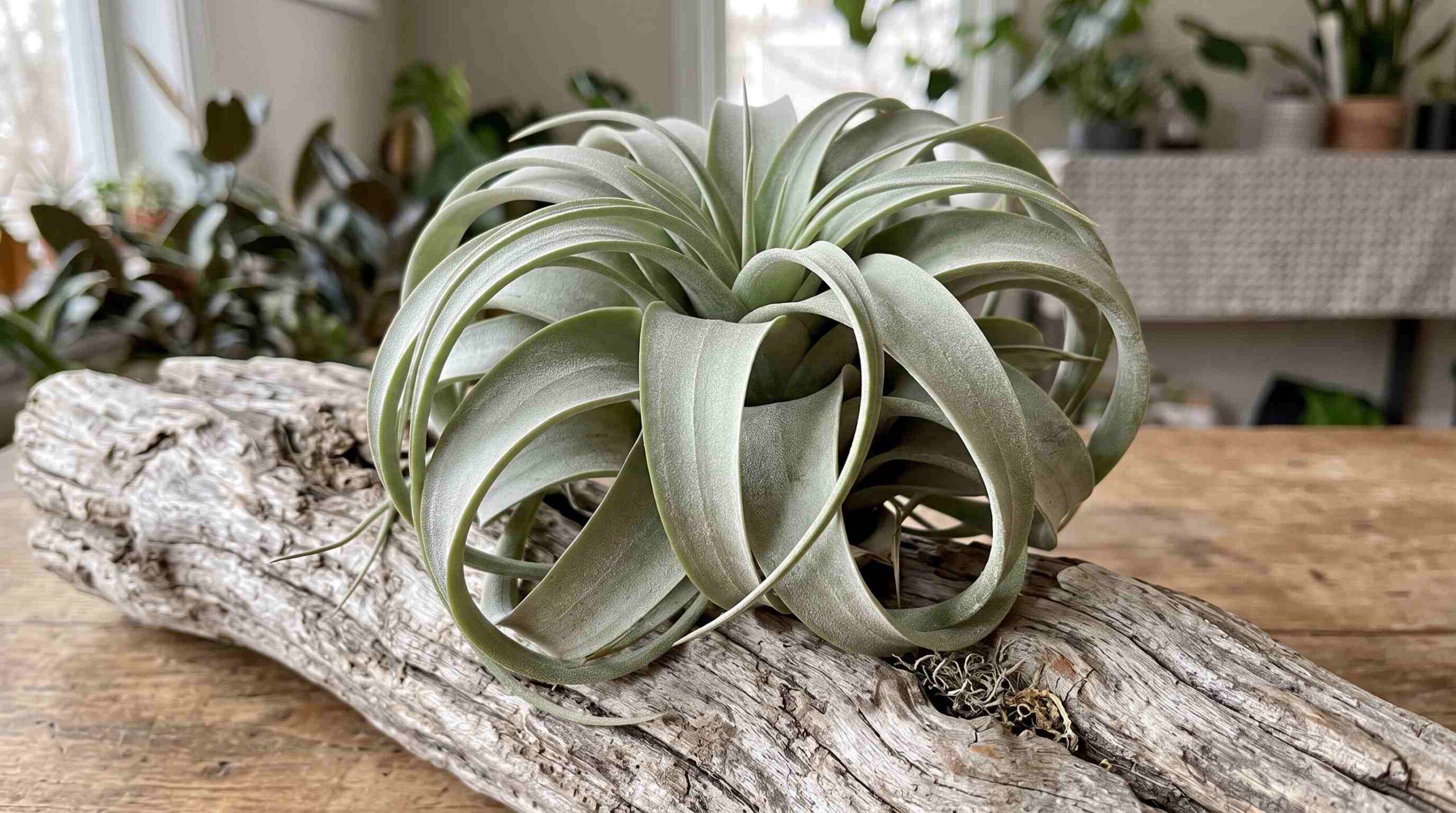
If you’ve ever walked past a little green tuft sitting in a seashell or glass orb with no soil in sight, you’ve met an air plant. Technically known as Tillandsia, the air plant is a member of the bromeliad family, native mostly to the forests, mountains, and deserts of Central and South America. In the wild, an air plant clings to trees, rocks, and even power lines, pulling moisture and nutrients straight from the air through tiny scales on its leaves called trichomes. That’s where the name comes from — it genuinely doesn’t need dirt to live. For a deeper dive into the botany, the Missouri Botanical Garden has a great overview of the Tillandsia genus.
Why Air Plants Are So Easy to Fall For
People get hooked on the air plant for a few simple reasons. First, there’s the novelty — a plant that lives without soil feels almost magical the first time you see one. Second, an air plant is wonderfully flexible in how you display it. You can perch it on a shelf, glue it to a piece of driftwood, tuck it into a terrarium, or hang it in a macramé holder by a window. Third, and maybe most importantly for beginners, an air plant is forgiving. It won’t punish you with root rot the way an overwatered houseplant might, because it has no soil-bound roots to rot in the first place.
How to Water an Air Plant (Without Overthinking It)
This is where most people go wrong, so let’s clear it up. An air plant still needs water — just not in the way a potted plant does. The most reliable method is a weekly soak: submerge your air plant in room-temperature water for 20 to 30 minutes, then shake off the excess and let it dry upside down for a few hours before putting it back on display. Skipping that drying step is the single biggest cause of a dying air plant, since trapped water sitting in the base of the leaves can cause rot. In hotter or drier climates, a light misting two or three times a week between soaks helps keep your air plant hydrated. If your tap water is heavily chlorinated or softened, filtered or rainwater is gentler on an air plant long term.
Light and Temperature an Air Plant Actually Likes
In its natural habitat, an air plant typically grows under the dappled light of a forest canopy rather than in direct sun. Indoors, that translates to bright, indirect light — a spot near an east- or west-facing window works well. Too little light and your air plant will slowly weaken; too much direct sun and the leaves can scorch. As for temperature, most varieties are comfortable anywhere between 50°F and 90°F, which is why an air plant does just fine as a houseplant in most climates year-round. If you want to see how a specific species handles your region’s conditions, the North Carolina Extension Gardener Plant Toolbox has detailed growing notes for several Tillandsia varieties.
Common Air Plant Mistakes to Avoid
Beyond watering and light, a few small habits make a big difference. Don’t let your air plant sit in standing water after a soak — that trapped moisture is what leads to rot. Don’t place it inside a closed glass container with no airflow, since an air plant still needs circulating air to dry out properly between waterings. And don’t assume it’s thriving just because it’s green; a healthy air plant should feel plump and firm, while one that’s curling or turning gray and papery is telling you it’s thirsty.
How to Display Your Air Plant
Part of the fun of owning an air plant is that it doesn’t need a pot at all. A single air plant looks striking resting in a shallow bowl, nestled into a piece of coral, or sitting on a windowsill shelf. For something more decorative, try grouping two or three air plants of different sizes together in a wooden tray, or mounting one onto a cork board with a dab of non-toxic glue or floral wire. Just remember that wherever you place your air plant, it should be easy to take down for its weekly soak — a display that’s beautiful but impossible to water isn’t doing the plant any favors.
When and How Air Plants Bloom
Here’s a fun milestone to look forward to: a mature air plant will eventually bloom, often producing a surprisingly vivid pink, purple, or red flower spike depending on the species. Blooming is usually a sign that your air plant is healthy and has reached adulthood, though it only happens once in each plant’s life. After flowering, the mother plant will slowly produce small offsets, often called “pups,” around its base. These pups can be left attached to grow as a cluster or gently separated once they’re about a third the size of the parent, giving you an entirely new air plant to care for.
Final Thoughts
Caring for an air plant really comes down to three things: a weekly soak with proper drying time, bright indirect light, and good airflow. Get those basics right, and an air plant can live for years, occasionally rewarding you with a bloom and a few baby pups along the way. Whether you’re keeping one on your desk or building a whole little air plant garden on a shelf, it’s one of the lowest-maintenance ways to bring some green into a space — no soil, no pot, no fuss.