
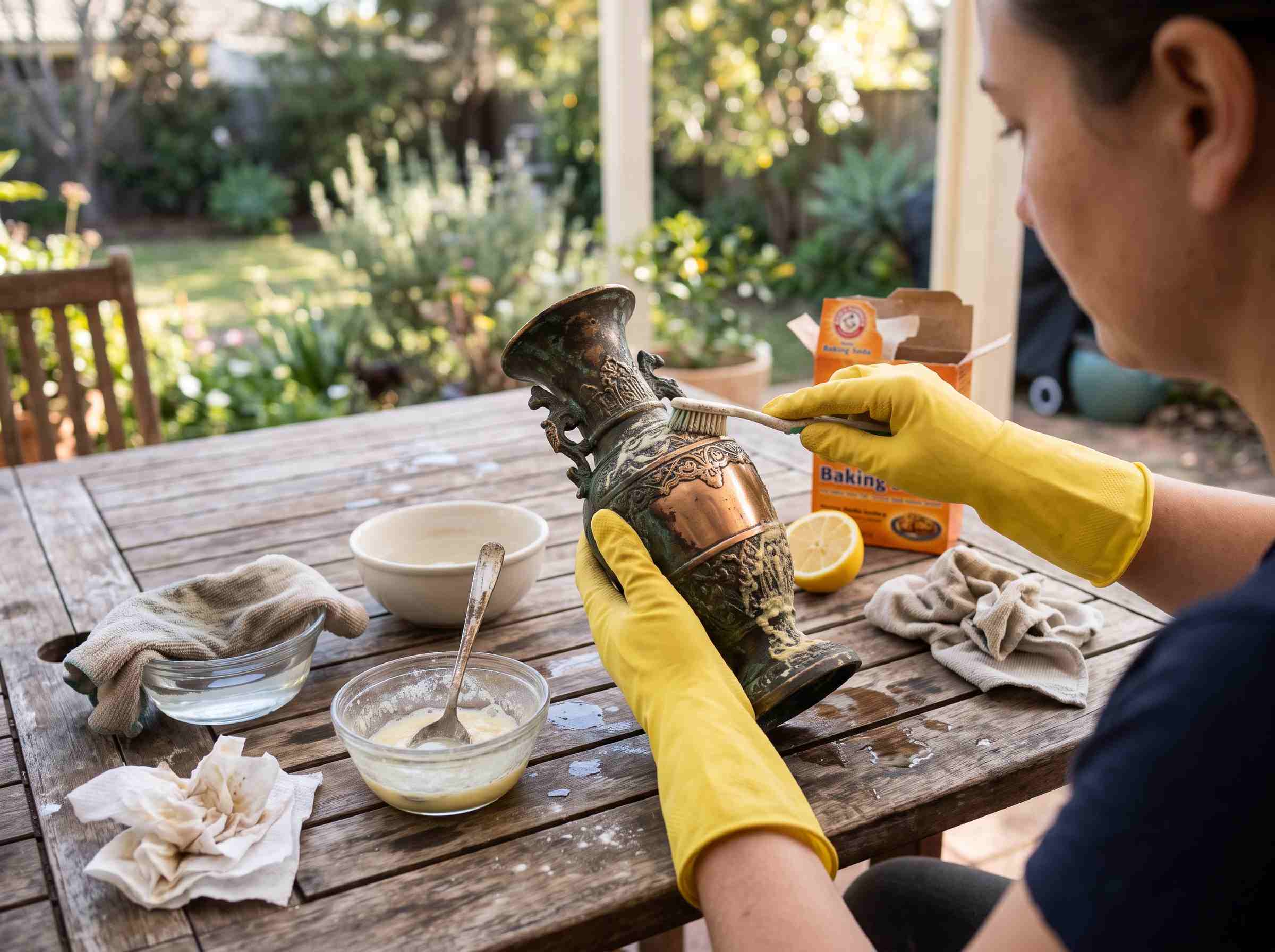
Why Learning How to Clean Bronze Matters
If you own a bronze sculpture, a set of candlesticks, or even door hardware, you’ve probably noticed how the metal dulls or darkens over time. That’s completely normal — bronze reacts with air and moisture, which is part of what gives it character. But if you want to bring back some shine or simply keep grime from building up, knowing how to clean bronze properly makes all the difference. Done wrong, cleaning can strip away the natural patina that gives bronze its warmth and depth. Done right, it protects the piece for decades.
What You’ll Need Before You Clean Bronze
Before you start, gather a few basics: a soft microfiber cloth, mild dish soap, distilled water, cotton swabs, and a soft-bristled brush (an old toothbrush works fine). Avoid anything abrasive like steel wool or harsh chemical cleaners — they can scratch the surface permanently. If you’re working on an antique or a piece with sentimental or monetary value, it’s worth reading a conservation guide first. The Smithsonian’s metal care guidelines are a good starting point, since they explain how different finishes react to cleaning agents before you touch anything valuable.
How to Clean Bronze Step by Step
The simplest way to clean bronze is also the safest. Start by dusting the piece with a dry, soft cloth to remove loose dirt. Next, mix a few drops of mild dish soap into warm distilled water — tap water can leave mineral spots, so distilled is worth the extra step. Dip your cloth into the solution, wring out the excess, and gently wipe the surface in small circular motions. For detailed grooves or engravings, a cotton swab or soft brush gets into the crevices without scratching the flat surfaces. Rinse by wiping with a cloth dampened in plain distilled water, then dry immediately with a clean towel. This method alone solves most everyday grime, and it’s the safest way to clean bronze without risking the finish.
How to Clean Bronze Without Damaging the Patina
Patina is the thin, often greenish or brown layer that forms naturally on bronze over time, and it’s usually what collectors and decorators actually want to preserve. If your goal is simply to clean bronze rather than restore it to a bright, polished look, stick to the soap-and-water method above and avoid polishing compounds altogether. Polishes contain mild abrasives that wear down the patina layer by layer, and once it’s gone, it takes years to redevelop naturally. If you do want a shinier finish on a modern (not antique) piece, a bronze-specific polish applied sparingly with a soft cloth can work — just test it on a hidden spot first. For more on why patina matters and how professionals treat it, the Victoria and Albert Museum’s conservation notes are a genuinely useful reference.
Mistakes to Avoid When You Clean Bronze
A few habits can undo all your careful work. Never soak bronze items in water for extended periods, since trapped moisture encourages corrosion in joints and seams. Avoid ammonia-based glass cleaners, vinegar, or lemon juice — these are popular “natural” cleaning hacks online, but their acidity eats into the patina and can leave uneven blotching. Don’t use paper towels either; the fibers are abrasive enough to leave fine scratches over repeated use. And if a piece is outdoors, like a garden statue or plaque, resist the urge to pressure-wash it — the force can strip protective coatings and push water into cracks. Knowing how to clean bronze also means knowing what not to do, and these shortcuts tend to cause more harm than the dirt ever did.
Caring for Outdoor Bronze
Outdoor bronze pieces face a different set of challenges: rain, pollution, and temperature swings all speed up tarnishing. For these, the same gentle soap-and-water approach applies, but you’ll also want to apply a thin coat of microcrystalline wax once the piece is completely dry. This creates a barrier against moisture and slows down future oxidation. Reapply the wax once or twice a year, depending on your climate. This extra step is especially worth it if you’ve put real effort into learning how to clean bronze properly — a little maintenance keeps you from having to do a deep clean again every few months.
How to Keep Bronze Clean After You’ve Cleaned It
Once your piece looks the way you want, a little upkeep goes a long way. Dust indoor bronze items weekly with a dry microfiber cloth to prevent grime from building up again. Keep pieces away from direct sunlight and humid rooms like bathrooms, since both accelerate tarnishing. If you’ve applied wax, buff it gently every few months to refresh the shine without reapplying. Maintenance like this means you won’t need to fully clean bronze items as often, and each cleaning session will be quicker and gentler on the metal.
Final Thoughts on How to Clean Bronze
Cleaning bronze isn’t complicated, but it does reward patience over harsh shortcuts. Stick to mild soap, distilled water, and soft cloths, and save polishing compounds for pieces where a bright finish is actually the goal. Whether you’re caring for a family heirloom or a set of bronze fixtures around the house, this gentle approach to how to clean bronze will keep your pieces looking good without sacrificing the character that makes bronze worth owning in the first place.