If you have typed “which is the best AI in the world” into a search bar recently, you are not alone. Every week brings a new model, a new benchmark, and a new headline claiming victory. The honest answer is that there is no single AI that wins every category for every person, but a handful of tools consistently rise to the top of the conversation, and it is worth understanding why.
What People Usually Mean When They Ask Which Is the Best AI in the World
When someone asks which is the best AI in the world, they are rarely asking one clean question. A student wants help writing essays. A developer wants clean, working code. A small business owner wants a chatbot that will not embarrass them in front of customers. A researcher wants an assistant that can reason through dense technical papers. “Best” depends entirely on what you are trying to do, so the real question hiding behind which is the best AI in the world is usually “which AI is best for me.”
The Top Contenders for the Best AI in the World
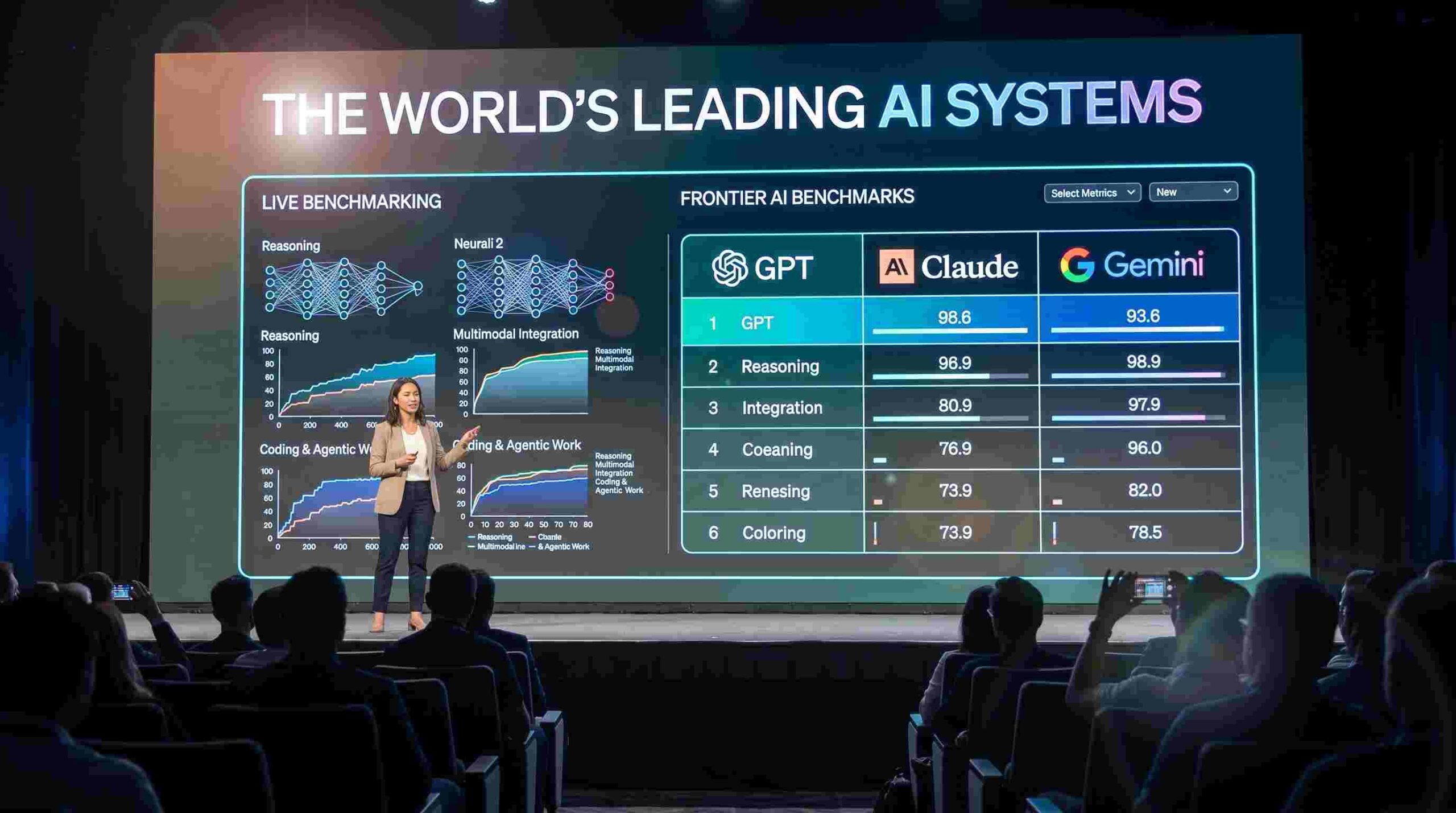
Three names dominate most lists that try to answer which is the best AI in the world. OpenAI’s ChatGPT is the most widely recognized, known for its broad general knowledge, plugin ecosystem, and huge user base. Google’s Gemini leans on Google’s search and data infrastructure, making it strong at pulling in real-time information and working smoothly across Google’s own apps. Anthropic’s Claude has built a reputation for careful, well-reasoned writing and for being unusually good at following detailed instructions on long documents.
There are strong challengers too, including Meta’s Llama models, which are open-source and popular with developers who want to run AI on their own hardware, and Elon Musk’s xAI with its Grok models, which lean into real-time access to X (formerly Twitter). None of these tools sit still for long, which is exactly why the question of which is the best AI in the world keeps changing from month to month.
Comparing Them Head to Head
Independent benchmark sites make this easier to judge than taking any single company’s word for it. The LM Arena leaderboard lets regular people compare AI responses side by side, blind, and vote on which one they prefer, then ranks the models using those votes. It is one of the more trustworthy ways to see which is the best AI in the world at any given moment, because the rankings come from real human preference rather than marketing claims. The Stanford AI Index is another solid source if you want a deeper look at how these systems are tested and what the numbers actually mean.
What these comparisons tend to show is that the gap between the top three or four models is often small. ChatGPT frequently edges ahead on general tasks and creative writing. Claude tends to perform well on long, complex documents and careful analysis. Gemini often wins when a task needs current information pulled straight from the web. So which is the best AI in the world really depends on which of those strengths matters most to you.
Why There Is No Single Best AI in the World
Part of the reason this question resists a clean answer is that these tools are optimized for different things, built by companies with different priorities, and updated on different schedules. A model that wins a coding benchmark this month might fall behind after a rival releases an update next month. Pricing, availability in your country, and whether a tool integrates with the apps you already use all matter just as much as raw capability. Anyone who gives you a confident, permanent answer to which is the best AI in the world is probably ignoring how fast this space moves.
How to Choose the Best AI in the World for Your Own Needs
Instead of chasing a single universal answer, it helps to test a few finalists against your own real tasks. Give each one the same writing prompt, the same coding problem, or the same research question, and see which response you actually trust and enjoy using. Most of the major tools, including ChatGPT, Gemini, and Claude, offer free tiers, so this kind of side-by-side test costs nothing but a little time. Pay attention to things that rarely show up in benchmarks, like tone, how often the tool admits uncertainty, and how pleasant the back-and-forth conversation feels.
Final Thoughts
So, which is the best AI in the world? The most useful answer is that it is the one that fits how you actually work. ChatGPT, Gemini, and Claude are all excellent starting points, and trying them side by side on your own tasks will tell you more than any ranking ever could. The best AI in the world, for you, is simply the one you reach for again tomorrow.