
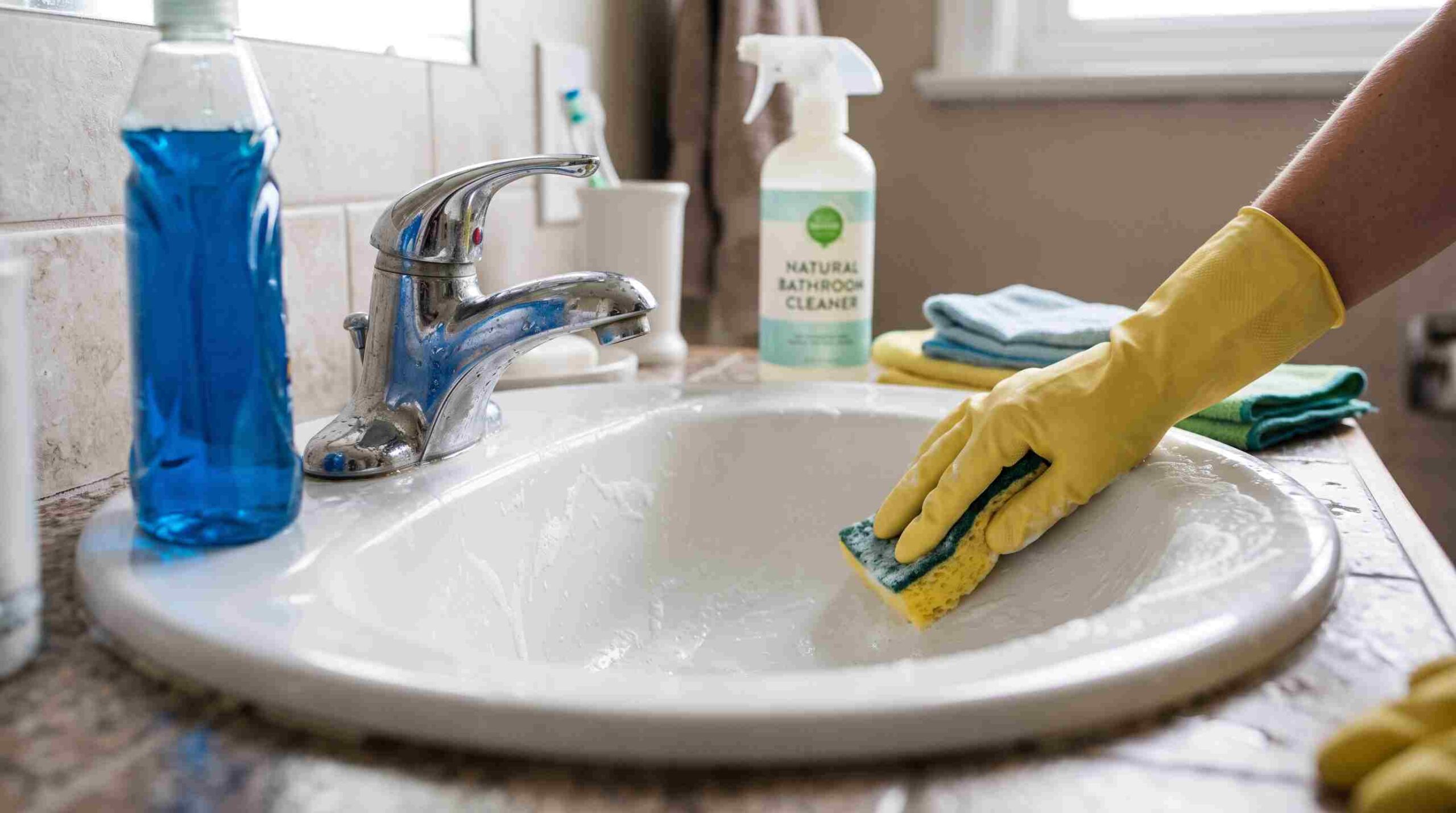
A porcelain sink can make any kitchen or bathroom look elegant, but it also shows every scratch, stain, and smudge if it isn’t cared for properly. Knowing how to clean a porcelain sink the right way will keep it looking bright and new for years, without damaging its glossy surface. In this guide, we’ll walk through simple, everyday methods anyone can use at home.
Why Learning How to Clean Porcelain Sink Properly Matters
Porcelain is a beautiful material, but it’s also more delicate than people assume. Unlike stainless steel, porcelain has a glaze coating that can chip, scratch, or dull if you use the wrong products. That’s why learning how to clean a porcelain sink the correct way isn’t just about appearance — it’s about protecting your investment. Harsh scouring pads or acidic cleaners might get rid of stains quickly, but over time they wear down the glaze, leaving the surface rough and prone to even more staining.
Daily Habits That Make Cleaning Easier
Before diving into deep-cleaning methods, it helps to build a few small habits. Rinsing your sink after every use and wiping it dry with a soft cloth prevents water spots and soap scum from building up. This single habit cuts down significantly on the effort needed later. If you’re someone who cooks often, consider keeping a small squeegee near the sink — it only takes a few seconds and makes a noticeable difference. These daily habits are really the foundation of how to clean a porcelain sink without a lot of scrubbing later on.
Step-by-Step: How to Clean Porcelain Sink Stains
When your sink already has stains, here’s a simple, safe method to follow:
- Fill the sink partially with warm water and add a few drops of mild dish soap.
- Use a soft sponge (never steel wool) to wipe down the entire surface.
- For tougher stains, make a paste using baking soda and water, and gently rub it onto the stained areas.
- Let the paste sit for about 10–15 minutes before rinsing thoroughly.
- Dry the sink with a microfiber cloth to prevent new water spots.
This gentle approach is one of the safest answers to how to clean a porcelain sink because baking soda is mildly abrasive without scratching the glaze. If you want to explore more non-toxic cleaning pastes, the folks at The Spruce have some excellent household cleaning guides worth bookmarking.
Removing Tough Rust and Mineral Stains
Rust stains and hard water deposits are among the most common complaints when people search for how to clean a porcelain sink. These usually come from leaky faucets, metal cans left in the sink, or mineral-heavy tap water. A mixture of white vinegar and baking soda works wonders here. Soak a cloth in vinegar, lay it over the stained area, and let it sit for about 20 minutes before scrubbing gently with a soft brush. For particularly stubborn rust, a product like Bar Keepers Friend is specifically formulated for porcelain and can be very effective when used sparingly, according to Bar Keeper’s Friend’s own usage guidelines.
What to Avoid When Cleaning a Porcelain Sink
Knowing what not to do is just as important as knowing how to clean a porcelain sink correctly. Avoid the following:
- Steel wool or metal scouring pads, which scratch the glaze permanently.
- Strong bleach-based cleaners used too frequently, as they can yellow the surface over time.
- Dropping heavy pots or cast iron pans directly into the basin, which can crack or chip porcelain.
- Leaving standing water with soap residue, which dulls the shine.
If you accidentally scratch the surface, resist the urge to use anything abrasive to “fix” it — this usually makes it worse. Instead, a porcelain repair kit or professional refinishing service is the safer route for deep scratches.
Natural Alternatives for a Chemical-Free Clean
Many people prefer natural solutions when figuring out how to clean a porcelain sink, especially if they have kids or pets at home. Lemon juice combined with salt makes a surprisingly effective scrub for light stains and also leaves a fresh citrus scent. Hydrogen peroxide is another gentle option for lifting discoloration without harsh fumes. These natural alternatives are not only safer for your family but also better for the environment, since they avoid introducing heavy chemicals into your wastewater. The EPA has published helpful information on reducing household chemical use if you’re interested in making more eco-friendly swaps throughout your home.
Keeping Your Porcelain Sink Shiny Long-Term
Once your sink is clean, maintaining that shine is the next step. A light coat of car wax or a dedicated porcelain polish applied once a month can add a protective layer that repels stains and water spots. Buff it in with a soft cloth, and you’ll notice water beads up and slides off rather than sitting on the surface. This small extra step is often the missing piece people overlook when thinking about how to clean a porcelain sink for the long haul — it’s not just about one deep clean, but about ongoing care.
If you’re managing an entire home cleaning routine, you might also find it useful to check out our guide on general kitchen deep-cleaning tips for a more complete seasonal checklist, or browse our other home maintenance articles for related advice.
Final Thoughts
Caring for a porcelain sink doesn’t have to be complicated. With a mix of daily habits, gentle weekly cleaning, and the occasional deep stain treatment, your sink can stay looking brand new for years. The key takeaway on how to clean a porcelain sink is simple: be gentle, be consistent, and avoid anything overly abrasive. Follow these steps, and your sink will reward you with a lasting shine every time you walk into the kitchen or bathroom.