
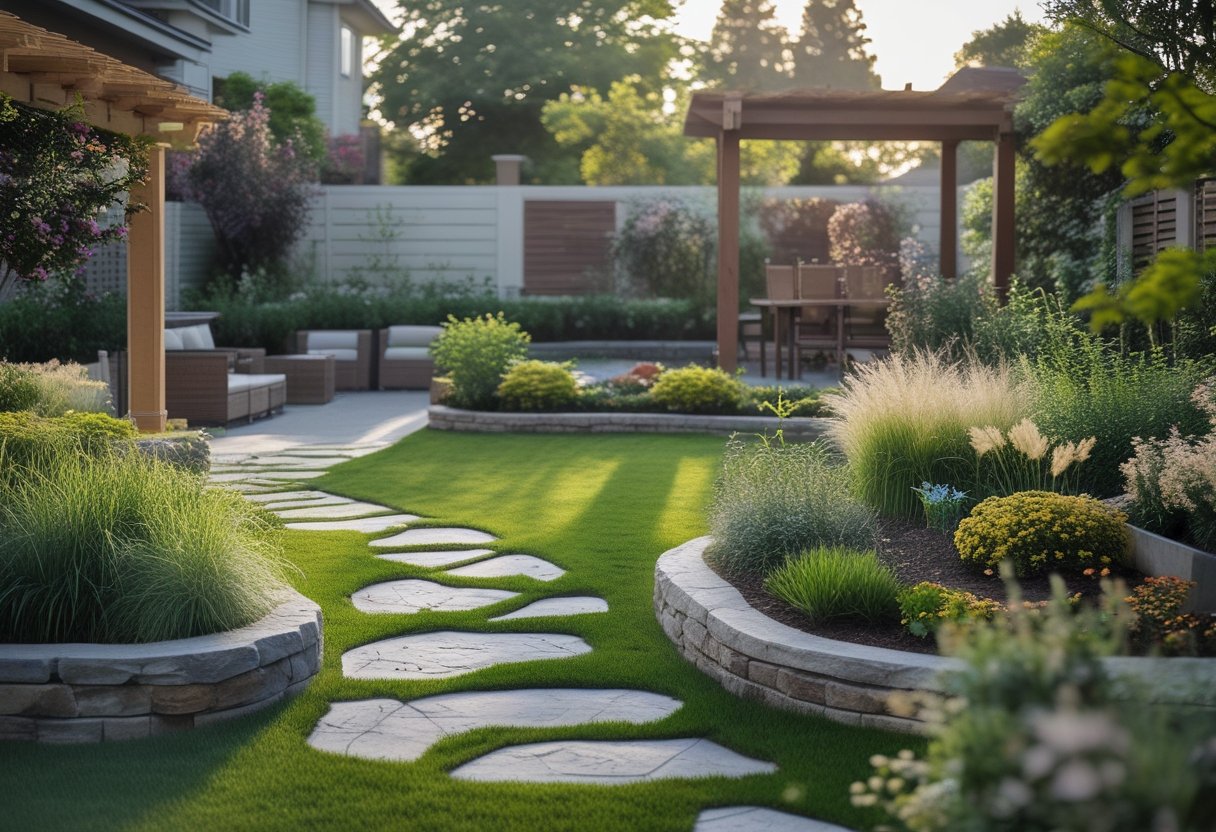
Why Backyard Landscaping Ideas Start With How You Actually Live
Before you buy a single plant, it helps to think about how your family actually uses the yard right now — and how you wish you used it. The best backyard landscaping ideas aren’t the ones that look best in a magazine; they’re the ones that match your life. If your kids need room to run, a huge flower bed in the middle of the lawn isn’t going to work. If you love hosting friends on weekends, a patio matters more than a perfectly manicured hedge. Spend a weekend just sitting outside at different times of day, noting where the sun hits, where water pools after rain, and where you naturally gravitate. That observation period will save you money and regret later, and it’s the real starting point for any good backyard landscaping ideas you pursue.
Budget-Friendly Backyard Landscaping Ideas for Small Yards
You don’t need a big budget or a big lot to make a real difference. Some of the most effective backyard landscaping ideas for tight spaces or tight wallets involve layering rather than expanding. Raised garden beds, for example, add structure and height without eating up much ground space, and you can build them from inexpensive cedar boards over a weekend. Gravel paths are another low-cost option — they define zones (a seating area versus a planting area) without the expense of pavers or poured concrete. If you’re working with a small backyard, container gardening along a fence line is one of the easiest wins: it adds greenery vertically instead of horizontally. For more budget-conscious inspiration, This Old House’s landscaping guides are a solid resource, and the Better Homes & Gardens gardening section regularly features projects under a few hundred dollars.
Backyard Landscaping Ideas for Low-Maintenance Yards
Not everyone wants a yard that demands weekly attention, and that’s completely fine — there are plenty of backyard landscaping ideas built around minimal upkeep. Native plants are the single biggest lever here, since they’re adapted to your local rainfall and soil and generally don’t need fertilizer or constant watering once established. Mulching beds heavily cuts down on weeding and helps soil retain moisture. Swapping out sections of thirsty lawn for groundcovers like creeping thyme or clover also reduces mowing time significantly. If irrigation is a pain point, drip irrigation systems on a timer are worth the upfront setup because they save both water and your weekends. The EPA’s WaterSense program has practical, unbiased tips on water-efficient landscaping that hold up regardless of climate, and it’s worth a look before you finalize your plant list.
Backyard Landscaping Ideas That Bring in Wildlife and Color
If you want your yard to feel alive rather than just tidy, look at backyard landscaping ideas centered on pollinators and seasonal color. Planting in drifts — grouping five or seven of the same flower together rather than scattering single plants — reads as more intentional and gives bees and butterflies a reason to stop by. Mixing bloom times matters too: a few early spring bulbs, summer perennials, and fall-blooming asters keep something happening in the yard for most of the year instead of one big burst in June. A small water feature, even a simple birdbath, can noticeably increase the birds and insects you see. The National Wildlife Federation’s backyard habitat resources walk through exactly what a yard needs to qualify as a certified wildlife habitat, which is a fun goal to work toward even if certification itself isn’t the point.
Backyard Landscaping Ideas for Entertaining and Outdoor Living
For a lot of homeowners, the real goal behind backyard landscaping ideas is simply having a better place to spend time with people. A defined patio or deck gives guests somewhere obvious to gather, and it’s worth sizing it for a real dinner table and chairs rather than guessing. Lighting is the detail people skip and then regret — string lights or low path lighting extend usable hours into the evening for very little cost. If you grill or cook outside often, positioning that area close to the kitchen door saves a surprising number of trips back and forth. Windbreaks, whether a fence, a hedge, or a pergola with climbing vines, make a patio usable on breezier days and add privacy from neighbors at the same time.
Putting Your Backyard Landscaping Ideas Into a Plan
The step most people skip is turning scattered backyard landscaping ideas into an actual plan, and it’s the step that prevents wasted money. Start by sketching your yard roughly to scale on graph paper, marking sun and shade, existing trees, and any slopes or drainage issues. Then phase the work: hardscaping (patios, paths, beds) generally goes in before planting, since heavy equipment and foot traffic can damage new plants. Give yourself a realistic timeline across a season or two rather than trying to do everything the same weekend. It’s also worth checking with your local extension office, since they often provide free or low-cost soil testing that tells you exactly what your yard needs before you spend money on plants that might not thrive there. A little sequencing goes a long way toward making the finished yard feel cohesive rather than like a pile of separate projects.