
If you’ve ever spent a weekend pulling weeds only to watch them come back a week later, you already know the frustration. The good news is that you don’t need harsh chemical herbicides to win this battle. Learning how to get rid of weeds naturally is easier than most people think, and it keeps your soil, pets, and family safe from unnecessary toxins.
Why Choose Natural Weed Control
Chemical weed killers work fast, but they often come with a cost. They can harm beneficial insects like bees, seep into groundwater, and leave residue on edible plants. If you’re growing vegetables or have kids and pets running around the yard, finding out how to get rid of weeds naturally becomes less of a nice-to-have and more of a necessity. Natural methods take a bit more patience, but they protect your garden’s ecosystem while still giving you a clean, weed-free space.
Boiling Water: The Simplest Trick
One of the easiest ways to learn how to get rid of weeds naturally is to simply boil a pot of water and pour it directly onto the weed. The scalding heat destroys the plant’s cell structure almost instantly, and within a day or two, you’ll see the weed wilt and turn brown. This method works especially well for weeds growing in sidewalk cracks, driveways, or gravel paths where you don’t need to worry about harming nearby plants. Just be careful when carrying hot water outdoors, and avoid pouring it near grass or flowers you want to keep.
Vinegar-Based Weed Spray
Household vinegar is a go-to answer whenever someone asks how to get rid of weeds naturally. The acetic acid in regular vinegar (around 5%) can dry out small, young weeds, while horticultural vinegar, which has a much higher concentration, works faster on tougher, established growth. Mix vinegar with a small amount of dish soap so it sticks to the leaves instead of rolling off, then spray it directly onto the weeds on a sunny day for the best results. According to the University of Maryland Extension, vinegar is most effective on young annual weeds and may require repeat applications for perennials with deeper root systems.
Salt as a Barrier Method
Salt is another pantry staple that works well if you’re figuring out how to get rid of weeds naturally in areas where you don’t plan to grow anything else, like along fences or in gravel driveways. Dissolve salt in hot water and pour it over the weeds, or sprinkle it directly at the base of the plant. Keep in mind that salt can linger in the soil and prevent anything from growing there for a while, so this method is best reserved for non-planting zones rather than your vegetable beds or flower borders.
Mulching to Block Sunlight
Weeds need sunlight to grow, so cutting off their light supply is one of the most reliable long-term strategies. Laying a thick layer of organic mulch, such as wood chips, straw, or shredded leaves, around your plants smothers existing weeds and prevents new seeds from sprouting. This is a favorite technique among gardeners who want to know how to get rid of weeds naturally without constant maintenance, because mulch also improves soil moisture and adds nutrients as it breaks down. Aim for a layer around two to three inches thick for the best coverage.
Hand-Pulling at the Right Time
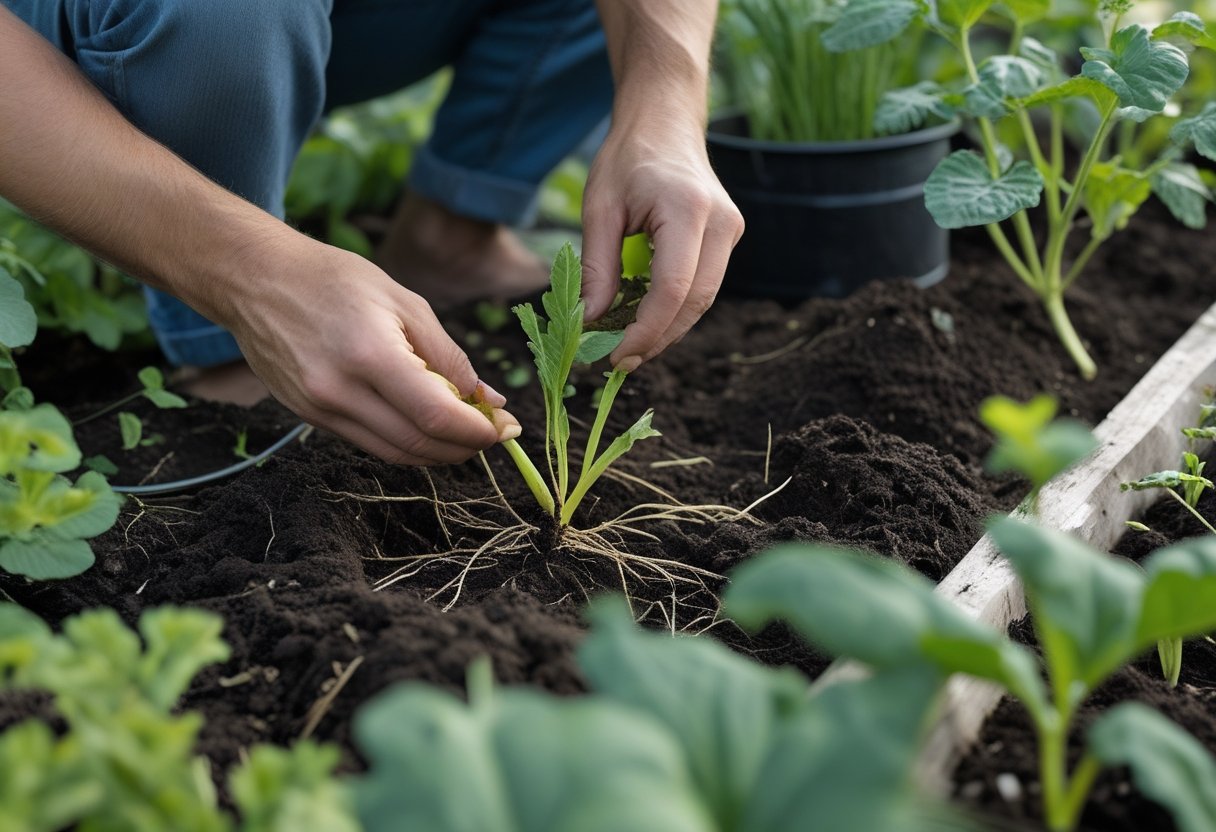
It sounds basic, but timing makes all the difference. Pulling weeds right after rainfall or watering, when the soil is soft, makes it much easier to remove the entire root system rather than just snapping off the top growth. Leaving even a small piece of root behind often means the weed grows right back. If you’re serious about how to get rid of weeds naturally, invest in a simple weeding tool with a forked tip to loosen the soil around stubborn taproots like dandelions before pulling.
Corn Gluten Meal for Prevention
If your weed problem is mostly new seedlings popping up each spring, corn gluten meal can stop them before they start. It’s a natural pre-emergent that prevents weed seeds from developing roots after they germinate. Gardeners researching how to get rid of weeds naturally often turn to corn gluten meal because it also acts as a slow-release nitrogen fertilizer for your lawn. Just remember it only prevents new weeds from establishing; it won’t do anything for weeds that are already growing.
Maintaining a Thick, Healthy Lawn
Sometimes the best weed control isn’t a spray or a tool, it’s prevention through a healthy lawn. Dense, well-fed grass leaves little room for weed seeds to find bare soil and take hold. Mowing at a slightly higher setting, watering deeply but infrequently, and overseeding bare patches in fall all help your grass outcompete weeds naturally. This is a core part of how to get rid of weeds naturally for anyone dealing with a lawn rather than garden beds, since a thriving lawn does a lot of the work on its own.
Staying Consistent
No single method will make your weed problem disappear overnight, and that’s true whether you use chemicals or not. The real secret to how to get rid of weeds naturally is consistency: check your garden every week or two, pull new growth before it seeds, and reapply mulch or vinegar spray as needed. Over a season or two, you’ll notice fewer weeds popping up at all, because you’re tackling the problem at the root instead of just the surface.
For more step-by-step garden care guides and free tools to help plan your yard projects, check out the other resources on our site.